Whichever kind of dog you’re thinking of bringing into your life, it’s always a good idea to do some research first, to make sure that it will be the right fit for you. If you’re not too familiar with the pug breed, you might think that they are small, quiet dogs that are easy to have around and don’t need much exercise. In most cases, this couldn’t be further from the truth..!
Let’s begin by saying that no two pugs are alike. You shouldn’t assume that because you’ve met some pugs that are lazy, yours will be too! It can be a BIG mistake to judge all pugs by your experiences with one or two. They can vary quite a bit in energy, intelligence and temperament, ranging from ‘go-with-the-flow’ to ‘I’m-in-charge-of-everything’!
Blacks pugs tend to be busier and have more attitude than fawn pugs
Female pugs tend to be pushier and more in your face than male pugs
Male pugs tend to be more laid back and easy going
Being treat-orientated, pugs are easy to train
There are exceptions to all of the above!
No doubt, you’ve read about how pugs are sweet, affectionate, cuddly and low energy. So you will be rightfully horrified when you find that your puppy is a whirling dervish of energy who snuggles for 30 seconds and then is off again to race around the house, leaving destruction in his or her path. Pug puppies are no different from any other puppy. Expect nipping, chewing, gnawing, jumping, pulling on your trouser legs, shoe destroying and general mayhem.
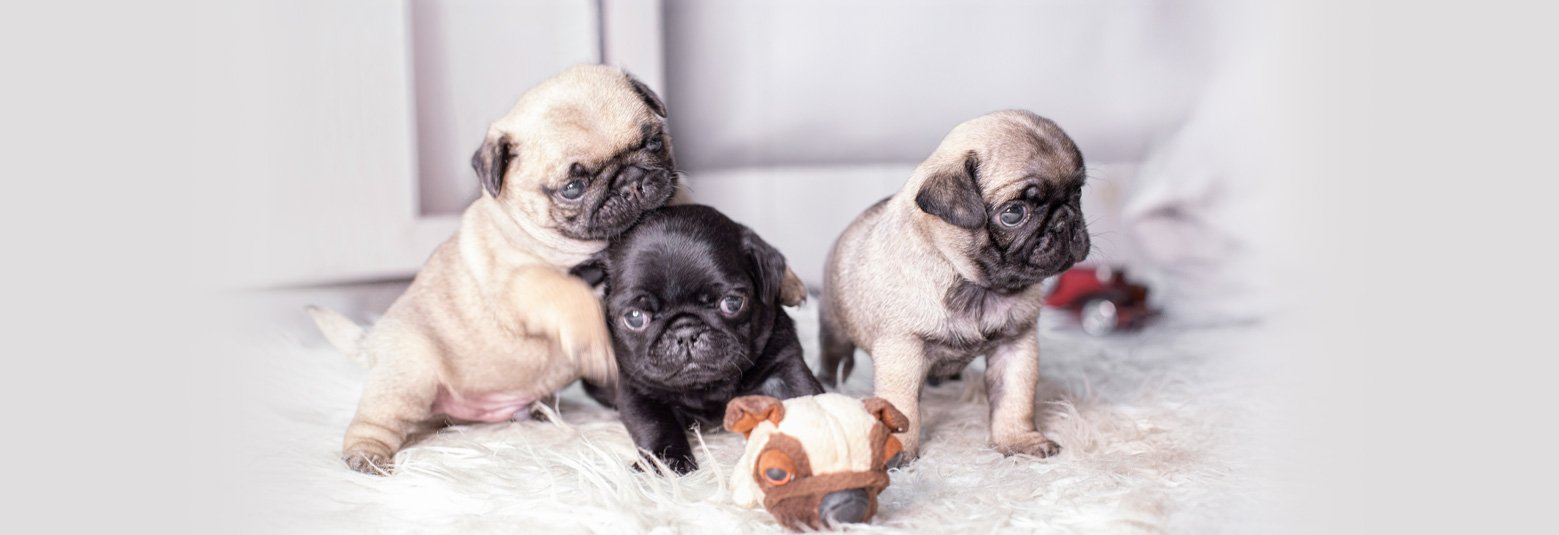
Here’s the reality. NO puppy is a couch potato. They are all lunatics, some more than others. You likely won’t have a couch potato pug until at least the age of two and your pug may NEVER be a couch potato. Pugs from reputable breeders are more likely to have the ‘pug’ temperament eventually, but even they will be devils as a puppy. If your puppy is from the internet, a pet store or a newspaper ad, then it’s up for grabs what kind of temperament you may end up with. You might get a pug that has the solid and stable temperament that is the signature of the breed, but you might also end up with a high drive, high energy pug that won’t settle down for several years, if ever.
One of the best ways to wear a puppy out (or any busy dog) is to engage them in activities that make them work and think. This is why obedience classes are so great – it may only be an hour, but that’s a hard hour of learning and really takes the ‘edge’ off of a busy dog.
Pugs are and were bred to be companion animals, so they need to be around people. If you are going to be gone for long periods of time and/or be too tired to engage with your pug when you get home from work, then a pug probably isn’t the dog for you. And pug puppies will need you to engage with them. They will demand it (as will most adults). Just like children, puppy brains need stimulation and activity to develop.
A puppy left crated for eight to ten hours will be absolutely manic by the time you get home and will need you to devote the remainder of the evening to them. They are often referred to as a ‘velcro dogs’, so if you don’t want a dog that is going to be wherever you are all the time (including in the bathroom!), then perhaps rethink getting a pug!
Pugs won’t be house trained in a month or two months, or even six months. Some pick it up quickly, but most take a year or longer and may still not be 100% reliable. And most pugs won’t ask to go out. You might be able to train them to ask, but in our experience, most pugs don’t learn this or if they do learn it, they figure it equals a treat (assuming you give a treat to your dog after going outside). So you may end up with a pug that asks for food as opposed to letting you know they want to go out.
Pugs generally will not just go outside and do their business while you sit nice and warm in the kitchen and have a coffee. If they are outside, you’d better be outside too. Most will not excrete outside without your company and encouragement. Many will also fake it, pretending to pee, but these quirks are part of the charm of the breed.
While some pugs can last all day while you’re at work, most can’t and none should be expected to. When was the last time you had to hold your bowels or bladder for eight to ten hours at a stretch? So if you are contemplating a pug (or small breed dog) then be sure that you can afford to have someone come in and let the dog out or make arrangements for the dog to excrete in an ‘approved’ spot.
Punishing a pug for an accident is not an effective method of house training. Praise for appropriate toileting will win the day – eventually – but scolding, yelling, hitting or rubbing the pug’s nose in the mess will not house train the pug and will likely create one that will become a sneaky excreter. There are many good books and articles on house training.
Be prepared that if you have a pug puppy, you may well have to get up at night – two, three or four times a night – until they are six months or older.
Pugs have a variety of quirks that drive some people nuts. They are nosey, inquisitive and often right under your feet. Many are tremendously food driven and will consume things that you don’t consider edible. They will eat sticks, rocks, coins, screws, plastic caps off of bottles, even cigarette butts. You name it, they will eat it. They figure out quickly that the command ‘drop it’ means you’re going to take it away, so many will swallow the forbidden object rather than give it up. It is your job to pug proof your home and be vigilant on walks to avoid tragedy.
Many have tissue and toilet paper addictions that they have all their lives. Some think that eating used tissue is a true delight and will go out of their way to access it. You should never trust any pug around any food source, rubbish bin or even cabinets that they can open. Quite a few will ‘table surf’. If they can get onto your dining room or kitchen table, they will. And they will consume whatever is up there.
Pugs are often quite tactile. Many are obsessive lickers, of themselves, you, the other dogs or cats, the kids, the carpet, your pillow or their toys. It’s a pug thing. Many use their paws more like hands than paws. Quite a few are ‘swatters’ and will use their paws to whack you or other animals, generally to play or get attention.
Pugs can be quite vocal and can be barkers, howlers, moaners and grumblers. Some are vocal in the extreme and will carry on protracted conversations with their owners. As a breed, they have the widest assortment of noises you can imagine. And some snore loudly. Very loudly.
Pugs are tough little dogs that have no clue how small they are. Most will not initiate a fight, but many will vigorously defend themselves or others if a fight starts. Most are hopelessly outclassed in the fighting department and will get seriously hurt. As a deeply food driven breed, you may have issues with food aggression and resource guarding. Make sure that you do your research on working with these issues.
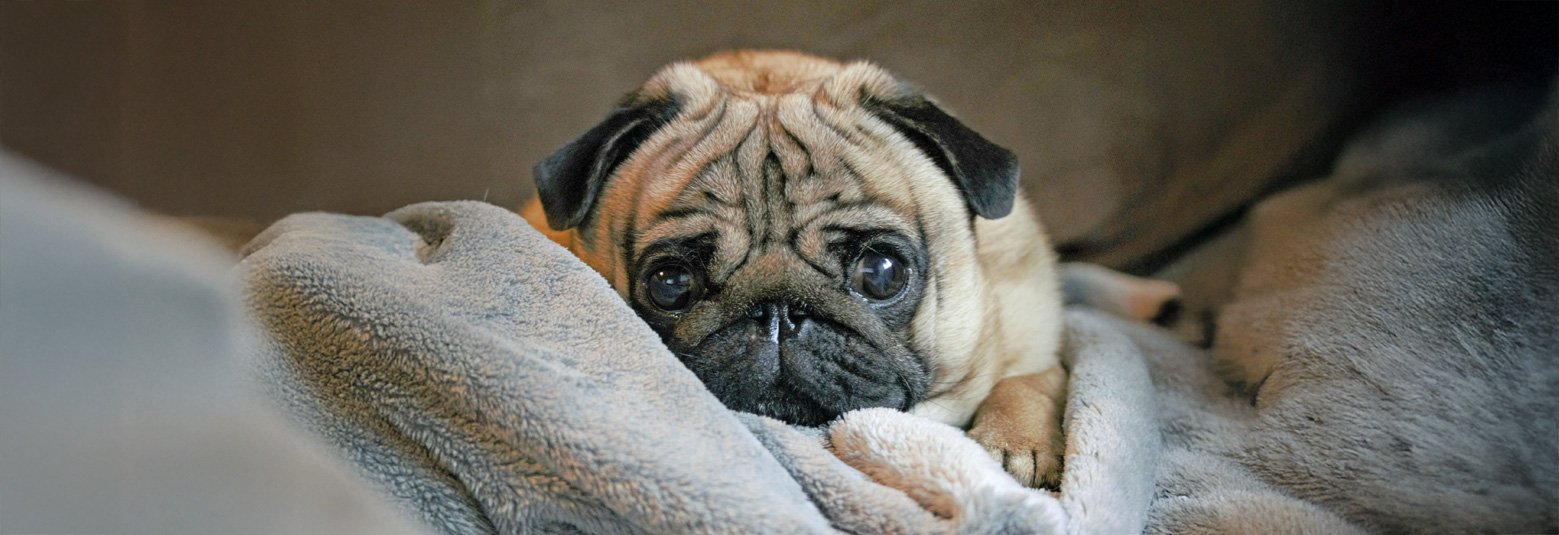
Many pugs are not fans of inclement weather and will resist toileting outside in the cold, rain or wind. Some are fine, but many will refuse (or try to refuse) to toilet outdoors. Some will simply use your floors, some will hold their bowels and bladder for frighteningly long periods of time too. This is not healthy for them. Few pugs will show any remorse or other indication that they know they did wrong by having accidents in the house. Some will, but most will happily mark floors and look at you like ‘What? I went to the door and you weren’t there so I used the floor. Get over it’.
No dog can be trained to be ‘traffic smart’. And don’t fool yourself that you can do this or that your neighbourhood is safe. Pugs (or any dogs) should not be off lead in any environment where they can get away from you and end up on the road or lost. They can be surprisingly fast and it only takes a second for a dog to be hit by a car.
They have a remarkable capacity for bodily excretions. Expect to get your face sprayed regularly, eye gunge will appear on clean clothes and occasionally the foul smell of anal gland excretions can appear anywhere they’re able to plant their bottoms. They can scoot on the ground when their glands are blocked or need emptying and they are uncomfortable. Some owners may need to regularly visit the vet for help with this.
Pugs are often tagged as dumb dogs. Most aren’t. In fact, most are smart enough and stubborn enough to figure out how to get their way or how to outlast you. Positive training, setting rules and boundaries are crucial with this breed if you don’t want to end up with a thug. Since they are often very food driven, treats are very effective in training pugs.
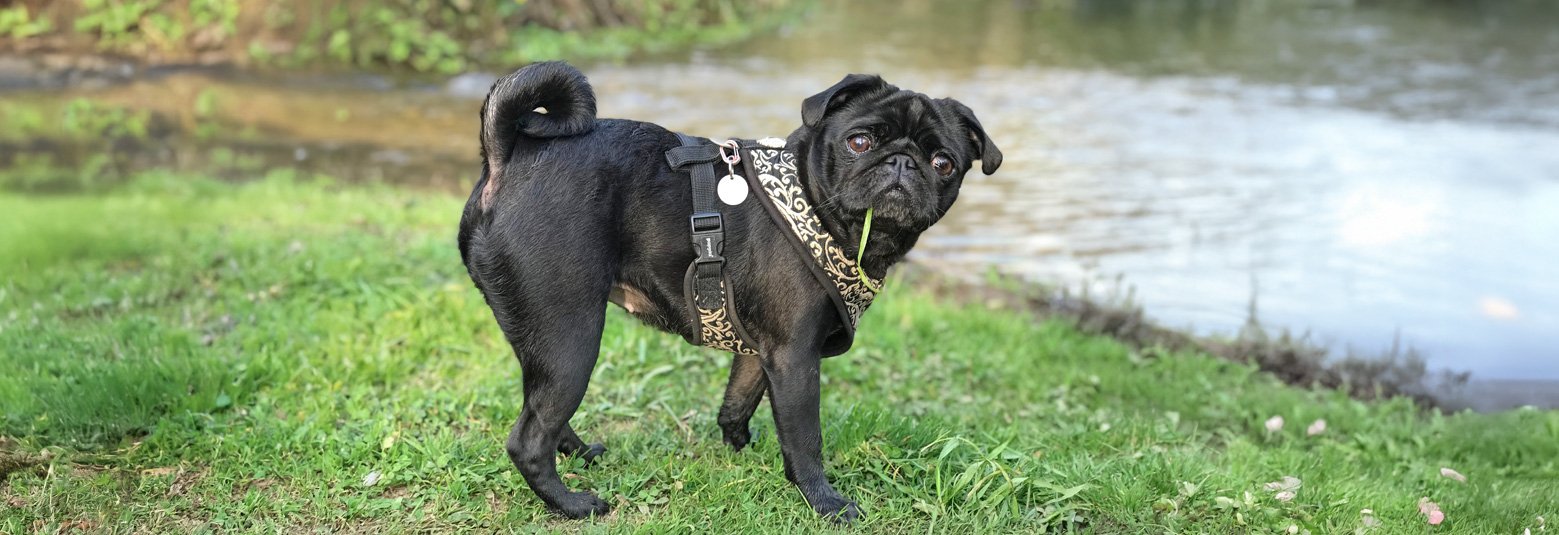
And they are dogs. Let’s remember that. They aren’t little people, much as we like to think of them that way. They need to do dog things – go to parks, meet other dogs, play and have fun. Just as you wouldn’t raise a human child in isolation with no rules, it isn’t good for a pug to be raised in isolation where there are no rules or boundaries either. Pugs are very adept at figuring out what you will and will not tolerate and will test the limits. You don’t need to be a dictator, but all dogs like to know what the routine is and like a predictable world.
While they aren’t sporting dogs, all pugs need exercise. Yes, quite a few would prefer to laze on the sofa all day, but that isn’t good for them. There are pugs that excel at agility, and at obedience. They don’t have to be slugs and most importantly, they shouldn’t get FAT. This can be a real struggle as they always act like they haven’t eaten in a week, have pitiful, soulful eyes and for some reason some of them just seem to think of food and put on weight. It really is important to remember that they need the right amount of food for the activity level of the dog. You don’t do your dog any kindness by letting them get obese; it will most likely affect their breathing, plus, you will shorten their life significantly.
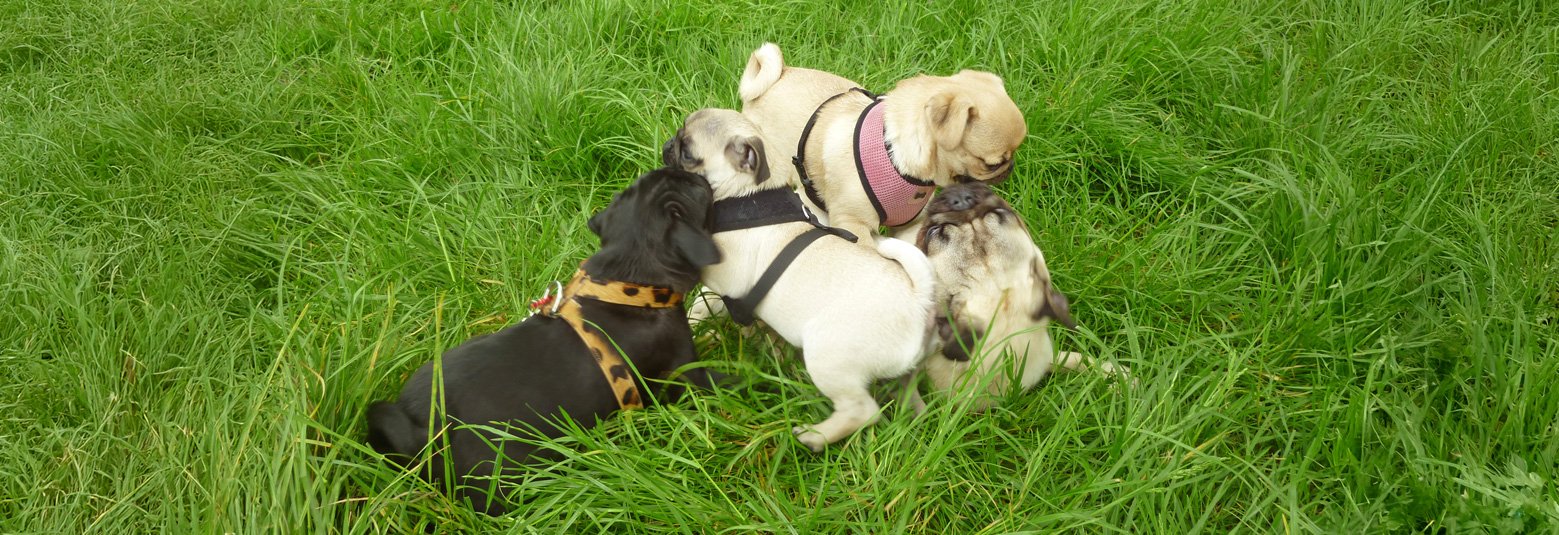
As mentioned earlier, they can be wildly busy puppies and many first time pug owners get very discouraged. They may slow down with time and age, but you need to be sure that your pug, regardless of energy level, gets the exercise and mental stimulation it needs.
Think seriously about insurance for your pug. It can be a life saver, literally. If you don’t or won’t get insurance, then have a plan for what you will do when the first £3,000 vet bill crops up. It can happen. An eye injury in a pug can go from a simple scratch to a serious ulcer in 24 hours and need a corneal graft that will run you into some serious cash. Be prepared for this so that you aren’t sitting at the vet’s trying to figure out what to do because you can’t afford the vet care needed.
You may put yourself at risk for expensive health issues with pugs from pet shops, internet ads or the newspaper. Most reputable breeders will have genetic testing going back generations. Although it’s no guarantee that your pug won’t have an issue, it does decrease the odds.
It’s easy to fall in love with the idea of having a pug companion, but always bear in mind that they are a high maintenance breed. They need and want a lot of attention. They moult like maniacs and can cover everything you own with pug hair, sometimes affectionately called ‘pug glitter’.
They can be bossy, stubborn and full of naughtiness. They require a fair bit of watching and managing in terms of safety, health and general training. They can and will get themselves into trouble – by dashing into the road (if off the lead) to get a piece of squashed sandwich, chewing on your power cords, opening up your cupboards (which you thought were safe) and 7.5 kg bag of kibble, eating various other things that they shouldn’t and jumping off of a height and snapping a leg bone.
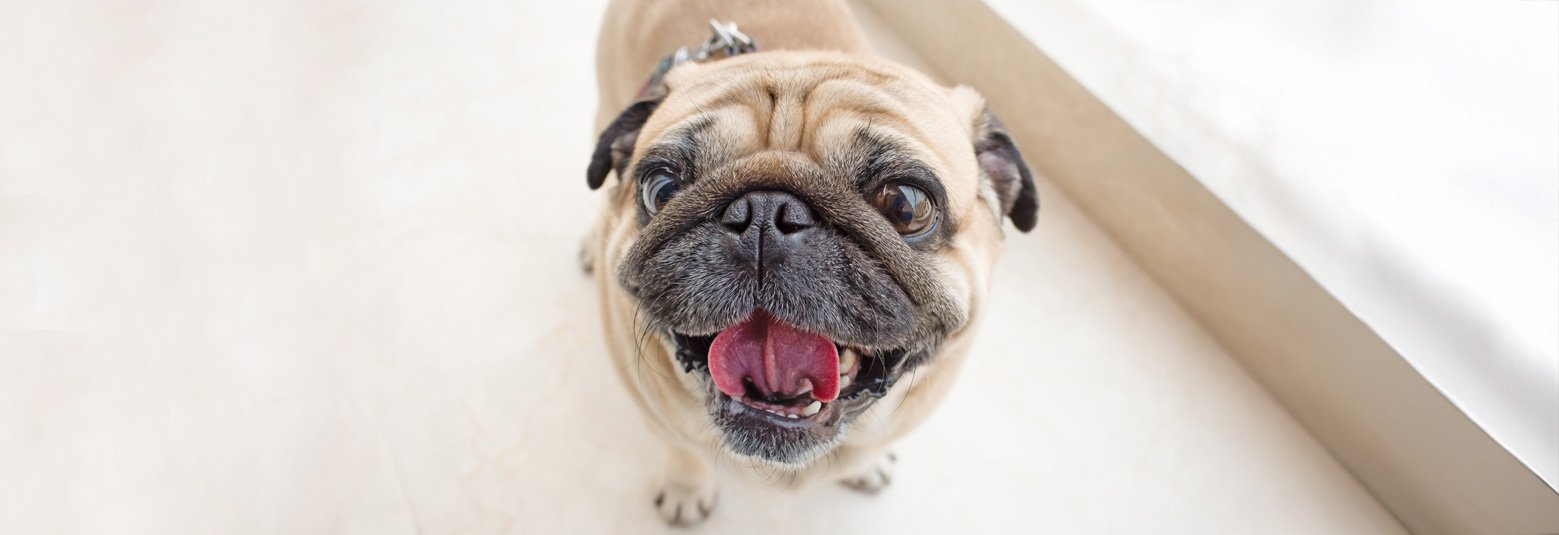
They tend to need some pretty regular grooming, cleaning of nose folds, eye areas and are notoriously fussy about having their nails trimmed. You can see some really dramatic behaviour around nail clipping in particular. It’s not uncommon for pugs to start screaming as if they were being murdered before the nail trimming has even started…
They do a thing called Reverse Sneezing. Read up about it and save yourself a trip to the emergency vet. All pugs do it!
This is one of the most affectionate and overtly loving breeds of dog out there. To pug owners they are worth the effort, expense and time that they require. They are clowns and comics and will provide hours of laughter and entertainment. But, if you’re considering becoming a pug owner, you MUST be aware of the care involved with this breed and the impact it will have on your life.
We’re extremely grateful to one of our wonderful supporters for compiling this Guide to Pugs

Pug Welfare & Rescue
Lytchett House
13 Freeland Park
Wareham Road, Poole
Dorset, BH16 6FA
Registered Charity No. 276067
Could you help us to rescue more Pugs in Need?
Keep up to date with all of our latest news…
© Pug Welfare & Rescue 2026 | Privacy Notice | Terms of Use