
Each season brings its own hazards that could potentially be harmful for your pugs. We’ll break them down below to give you an idea of the things to keep in mind…
Spring brings drier, brighter and warmer days, along with its temptations inside and out. Here’s a run-down on what to look out for…
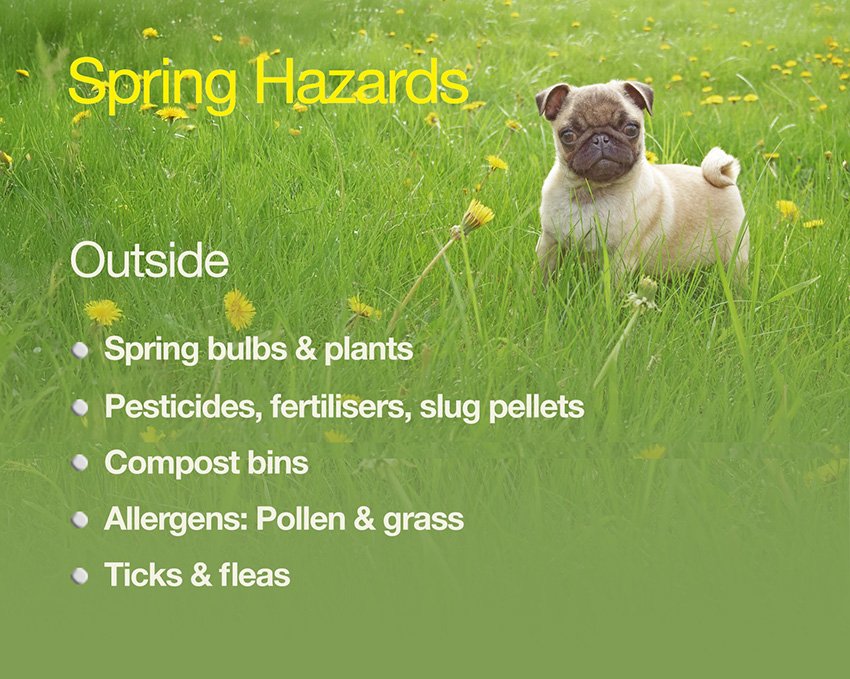
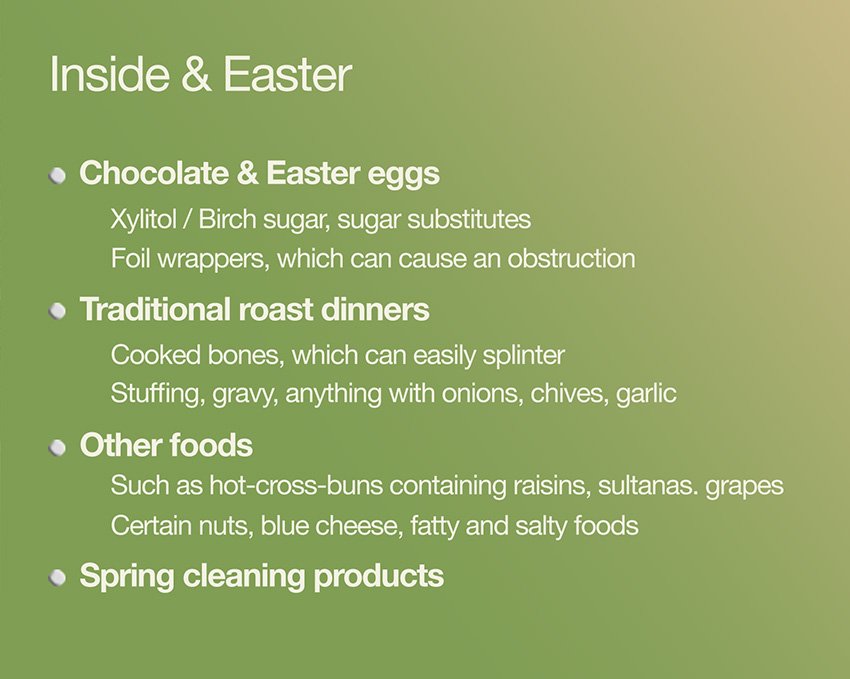
Many different plants commonly found in the home, garden and outdoor areas can make your dog ill. Some of these are highly poisonous, while others may only cause a mild tummy upset. Incidents of poisoning from spring bulbs are most likely to occur from dogs eating the bulbs in spring when they begin to flower, or autumn when they are planted.
The following plants are generally considered to be poisonous for dogs:
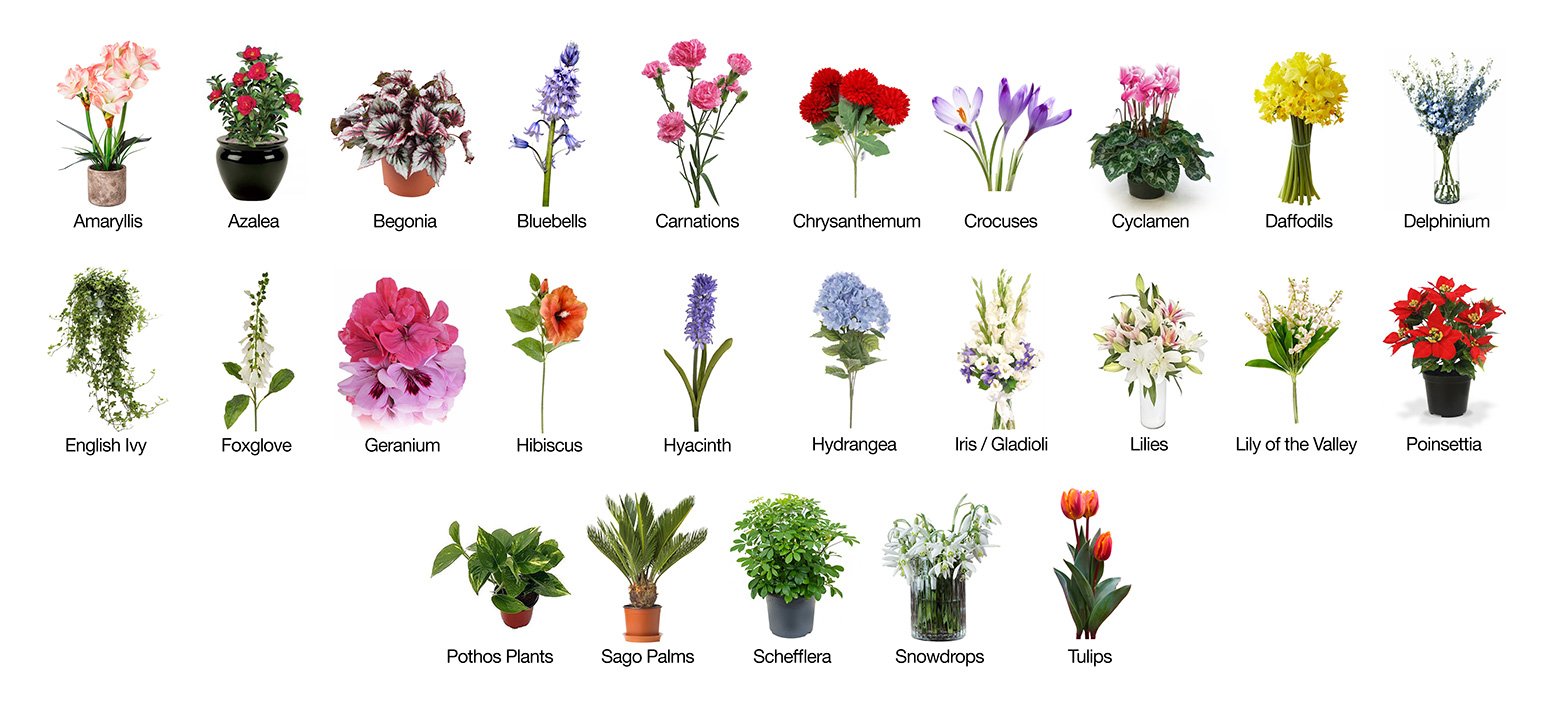
These plants, on the other hand, are generally considered to be safe for dogs:
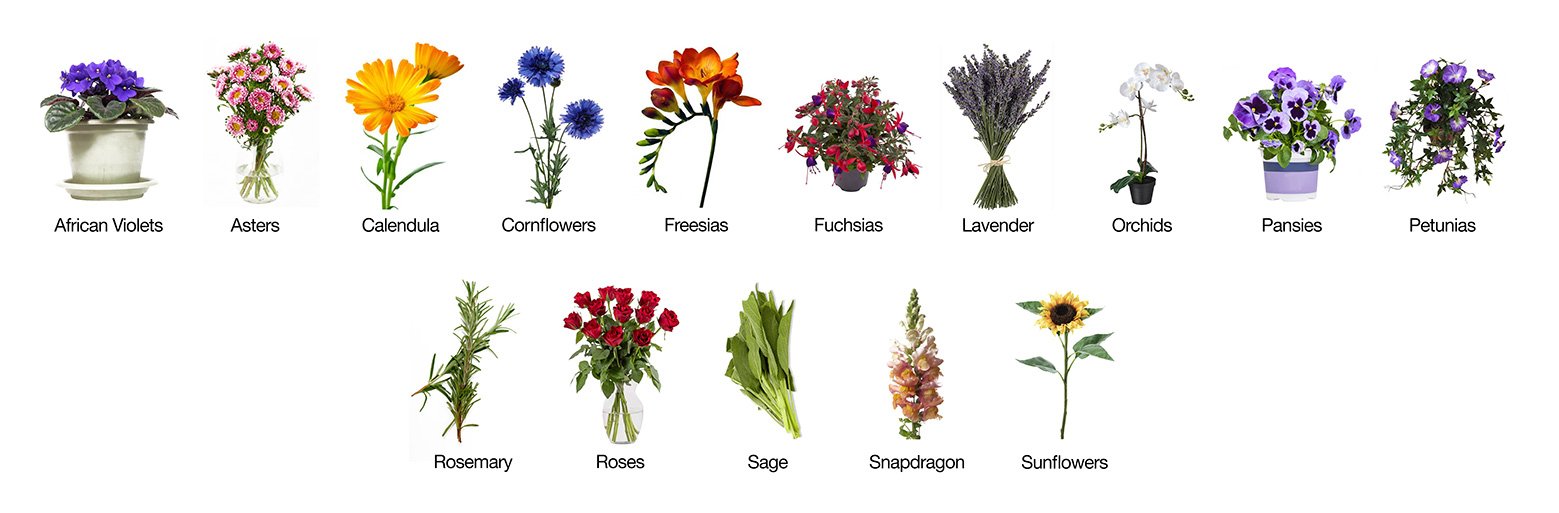
As always, we would recommend that you do your own research before letting your pugs eat flowers and plants!
Click here for more information on plants from The Kennel Club
Easter and Bank Holiday celebrations often include feasts and treats, which can lead to overeating and digestive issues for pugs. Be mindful of the types, and amounts, of food your pug consumes to prevent obesity and gastrointestinal problems. There are many food items listed in this article from The Kennel Club that are hazardous to our pugs, so take a look to find out more.
Some of the items on the Summer list might seem quite obvious, but pugs are very sensitive to heat and can easily suffer and get themselves into trouble as the temperatures start to rise…
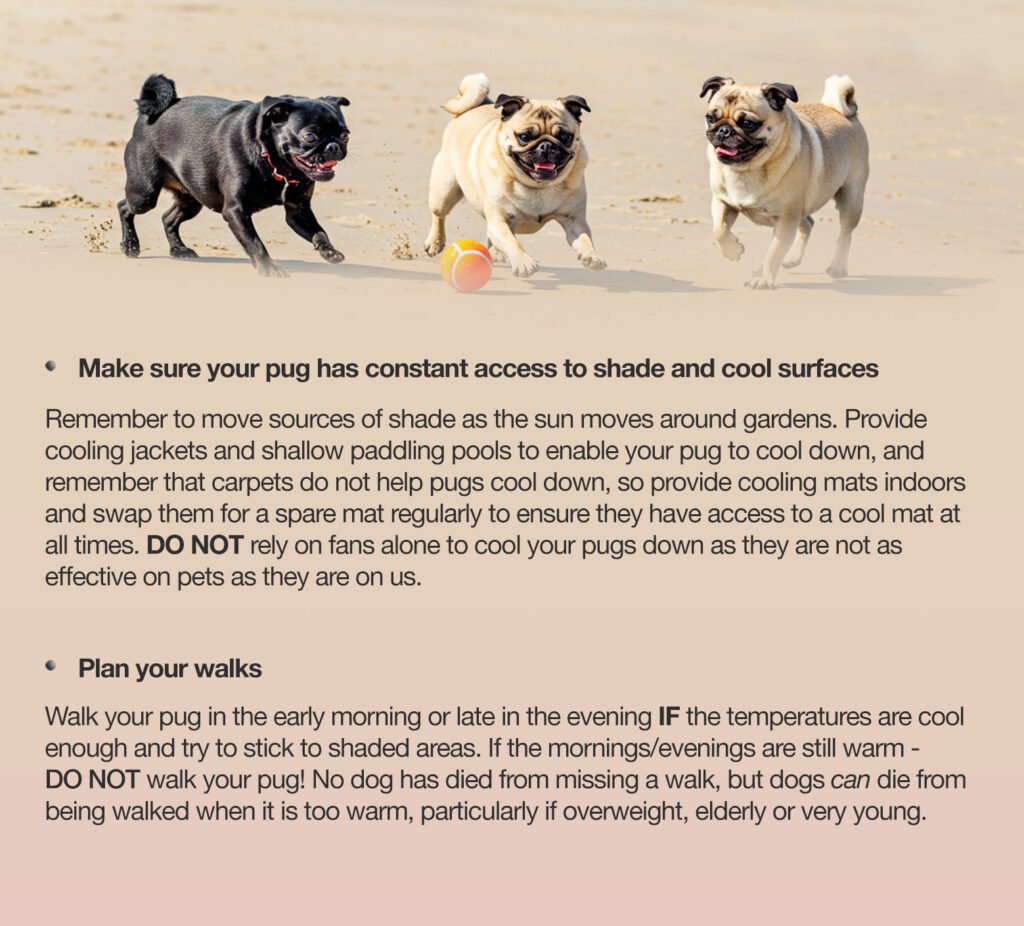
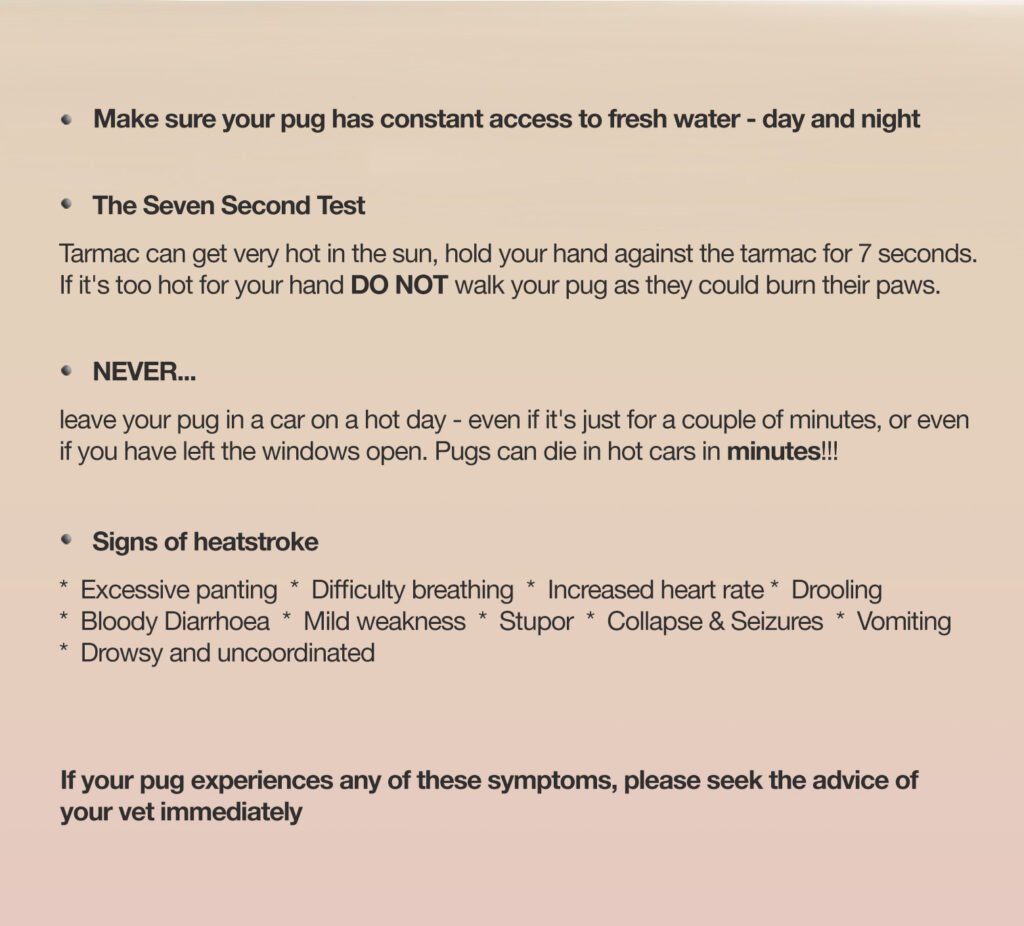
Each dog is individual & different to others, so always monitor how yours reacts to the heat and adjust their activity accordingly.
This is an extremely dangerous condition that can develop if a dog gets too hot. Pugs are particularly sensitive to over-heating which can be extremely dangerous for them. With limited ability to sweat and little or no nose/muzzle they will struggle to lose heat through panting alone, more-so if they are overweight or have other health problems. Very old and very young dogs are most at risk.
Normal body temperature for a dog tends to be between 38-39°C (100.4-102.2°F), this can rise a bit if they are unwell with a fever.
Heat exhaustion typically occurs when a dog’s body temperature rises above 39.4°C, when they are at risk of heatstroke. Thich can cause seizures, organ damage, internal bleeding or a coma, and be critical for them.
Nearly three quarters of heatstroke cases develop while playing and exercising, though it can also be caused by simply sitting somewhere too warm, or being trapped somewhere hot, such as a car, conservatory or room without proper ventilation.
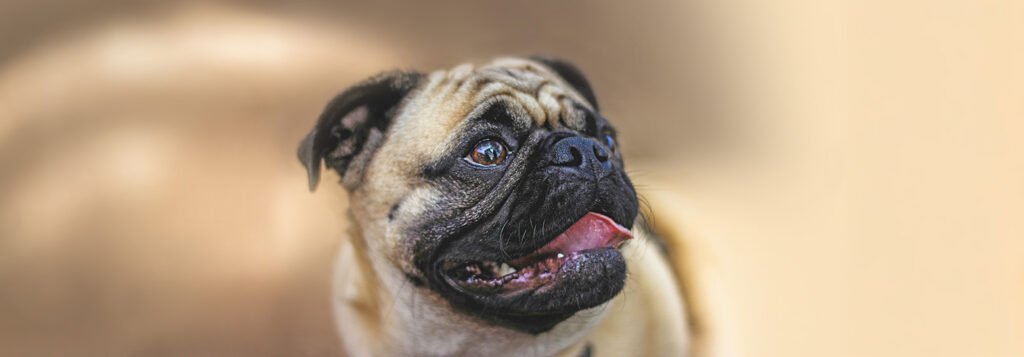
It’s important to know what to look for, where HEATSTROKE is concerned. Signs can include:
Excessive panting | Difficulty in breathing (fast, heavy, noisy) | Increased heart rate | Drooling or foaming at the mouth | Diarrhoea (may be bloody) | Vomiting | Weakness or collapse | Stupor or confusion | Drowsy & uncoordinated | Lethargy or low energy | Shaking | Seizures | Unconsciousness
If your pug experiences any of these symptoms, please seek the advice of your Vet immediately.
Heatstroke is more dangerous the longer it lasts, so the quicker your pug is cooled down and treated by a vet, the better their chance of a full recovery.
1) Immediately move your pug to a cooler area, a cool, darkened room or into the shade
2) Cool them down straight away
3) Take your pug to your Vet as soon as possible
Although Ticks are a summer hazard, they’re actually something that we need to keep an eye out for all year round. If you’re walking your pug in grassy areas, be sure to keep a look out for these parasites.
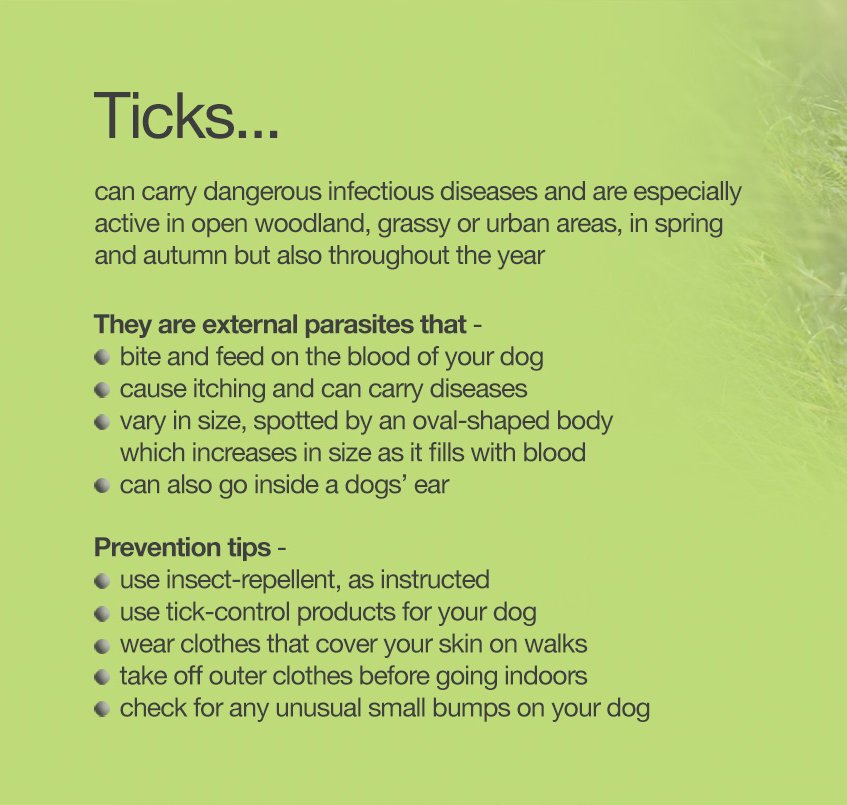
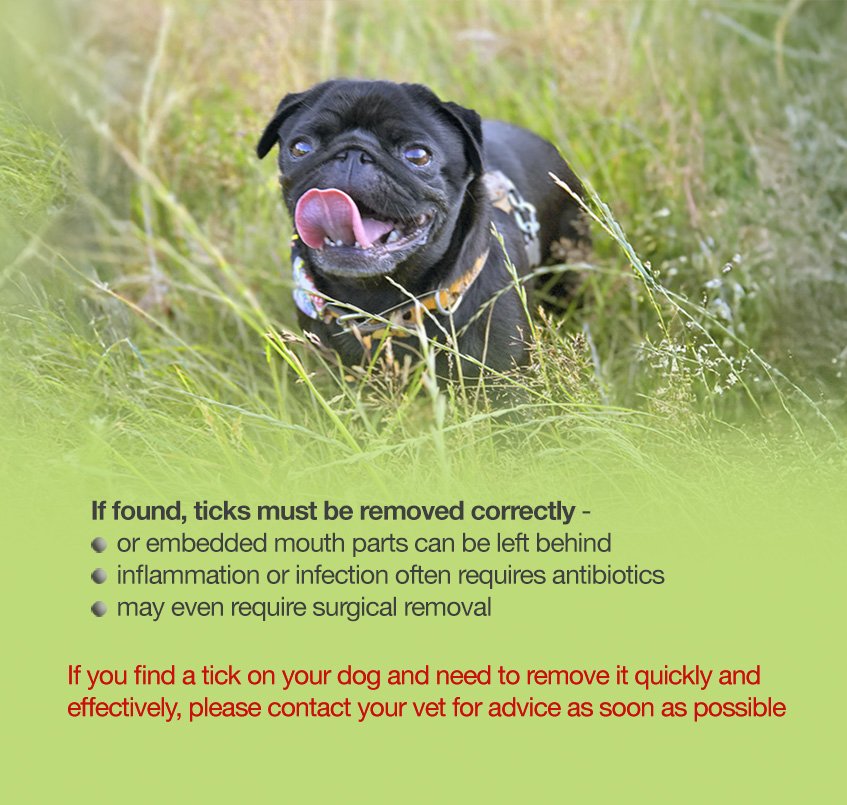
For more useful advice on Ticks, take a look at our post here
During wet weather, slugs and snails are more active, which increases the risk of them passing on the lungworm parasite to our pugs. There are many slugs and snails around so be extra vigilant when out walking your dog and always pick up and safely dispose of your dog’s faeces.
Lungworm is a dangerous parasite that can be ingested by your pug is it licks or eats infected slugs, snails, or their trails.
Coughing (especially bringing up blood) | Difficulty in breathing (fast, heavy, noisy) | Lethargy | Poor blood clotting (persistent bleeding) | General sickness | Vomiting | Circling | Diarrhoea | Stomach and back pain | Poor appetite | Weight loss | Seizures | Behaviour changes (depression)
Consult your vet as soon as possible if your dog becomes unwell. Remember, not every snail or slug carries the disease and lungworm’s geographical limitations means infection is relatively uncommon, but when it does appear, it is potentially extremely serious, often a chronic disease, lasting months, even years.
Killing lungworm is relatively simple and ensuring you keep to your monthly routine will help. Regular preventative anti-parasite treatments administered to your pug are appropriate. Once diagnosed and treated, most dogs make a full recovery and, like all diseases, the key to successful treatment is taking action early.
Some of the things that can be hazardous for pugs around the Autumn season might surprise you…
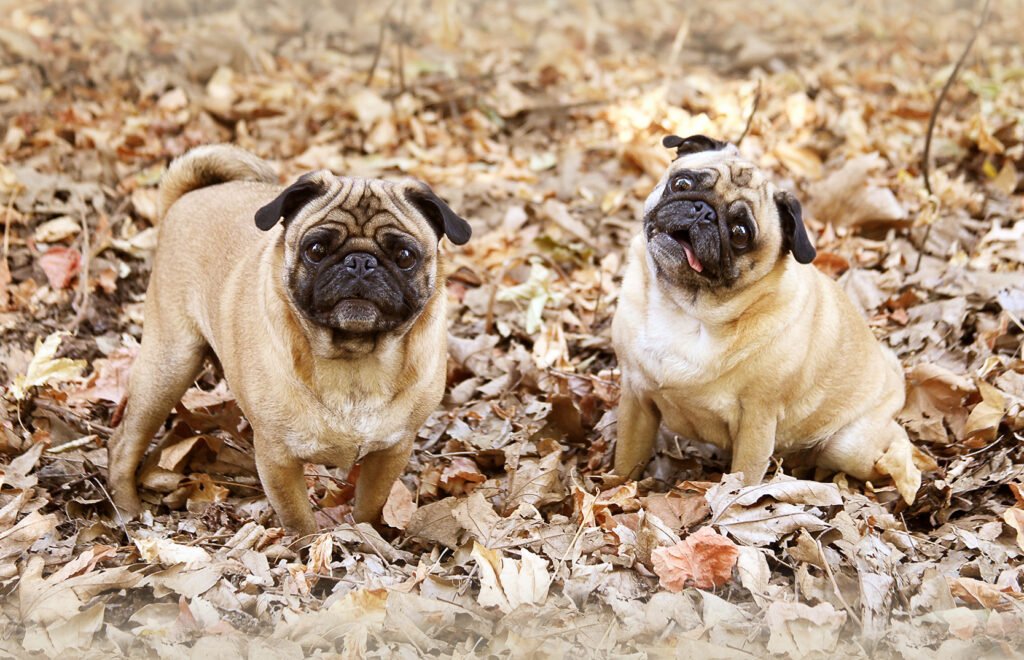
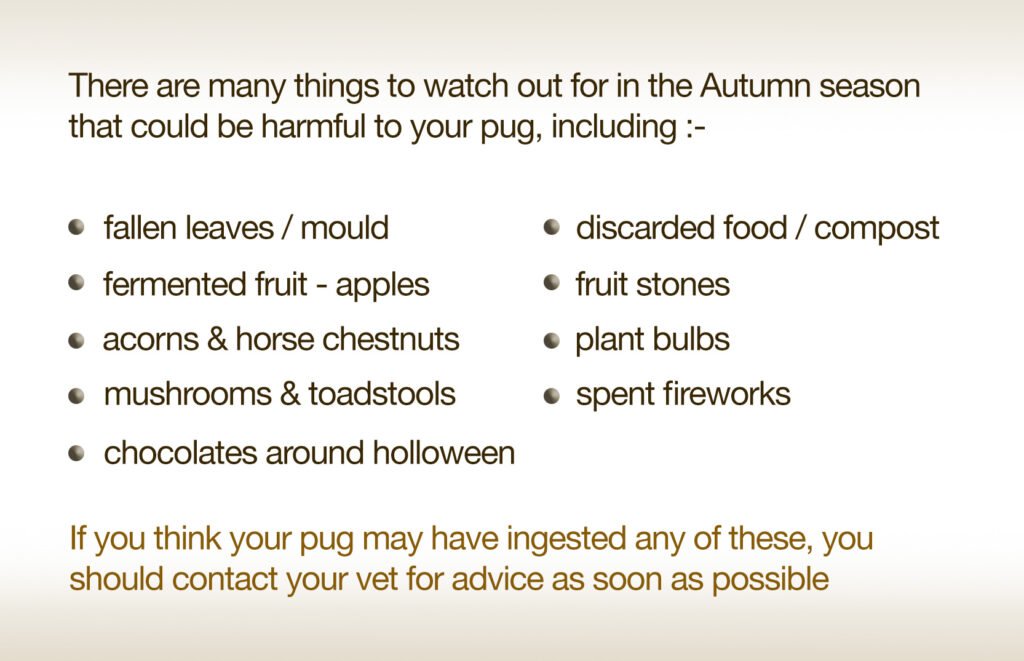
If you’d like to see more Autumn advice, take a look at these trusted links:
Poisons in Your Garden – The Kennel Club | Are Acorns Bad For Dogs? – The Kennel Club | Toxic Autumn Plants – PDSA
Winter and low temperatures can be a particularly testing time for pugs. Here’s some useful advice to help you through…
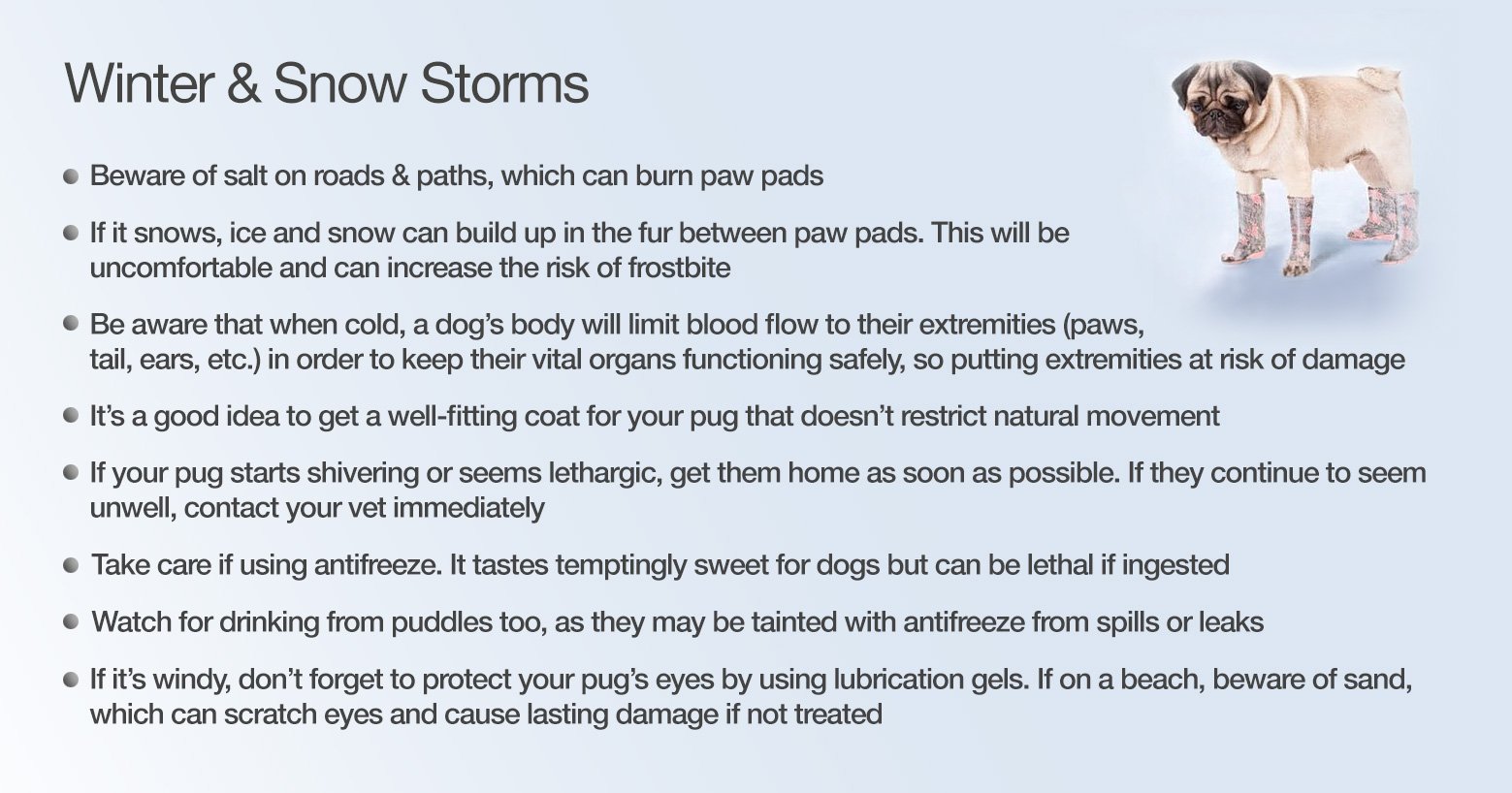
If your pug shows signs of hypothermia, which includes, shivering, drowsiness, confusion, clumsiness, pale gums and loss of consciousness or collapse, get out of the cold immediately and contact your vet straight away. Dry & warm them up gently, never intensely & too quickly, as this can be dangerous.
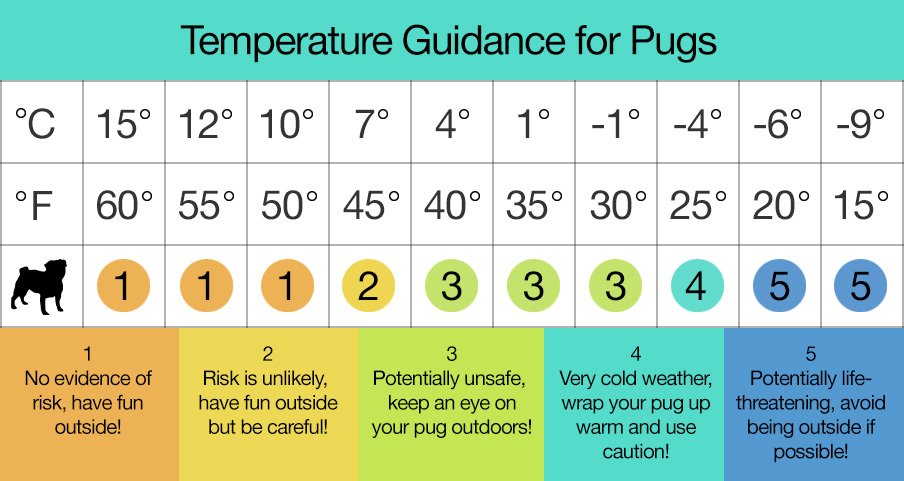
Below is a useful guide to deciding if it might be too cold for your pug to go outside:
If you’d like to see more Winter advice, take a look at these trusted links:
If storms are forecasted in your area, you can find useful advice from the PDSA here
If you’d like to read more on the various health issues that pugs might be prone to, just take a look at our ‘Pug Health’ page…

Pug Welfare & Rescue
Lytchett House
13 Freeland Park
Wareham Road, Poole
Dorset, BH16 6FA
Registered Charity No. 276067
Could you help us to rescue more Pugs in Need?
Keep up to date with all of our latest news…
© Pug Welfare & Rescue 2026 | Privacy Notice | Terms of Use