It’s been brought to our attention by Jackie, one of our most experienced Volunteer Area Coordinators, that somebody recently surrendering their pug was targeted by a Microchip scam, claiming that the pet would become ‘unregistered’ if their details weren’t renewed.
In this age of scams bombarding us from every direction, it’s probably not altogether surprising that the pet industry is now on the radar of unscrupulous people looking to make some easy money. It’s estimated that around 15.5 million dogs live in the UK, which is around 41% of UK households. Now that the laws around dog ownership have changed, they will all need to have a current microchip.
So, that’s a pretty large group of people to target and being successful as little as 1% of the time could still be very lucrative. Pet microchip scams typically involve fraudulent emails or deceptive websites that claim your pet’s microchip is ‘expiring’ or ‘lacking national registration’ to steal your money.
It’s always good to bear in mind that microchips never expire, so you shouldn’t ever pay a 3rd party website to ‘renew’ your chip. So, what are the best ways to avoid these scams and what should you watch out for?
The most common method of attack is through email, and this is the case for most of the current UK scams. If you receive an email that you weren’t expecting or that looks suspicious, you should never click on any links that are contained within it, regardless of how plausible it might look. If you receive a ‘renewal notice’, ignore the email and report the sender to your service provider.
Another source which is becoming more commonly used is WhatsApp or your phone’s text message service. In some ways, this is even more concerning as we’re all so used to just tapping on things while using our phones. Just one absent minded tap of your finger could land you with an unnecessary and unwanted charge, so please be vigilant.
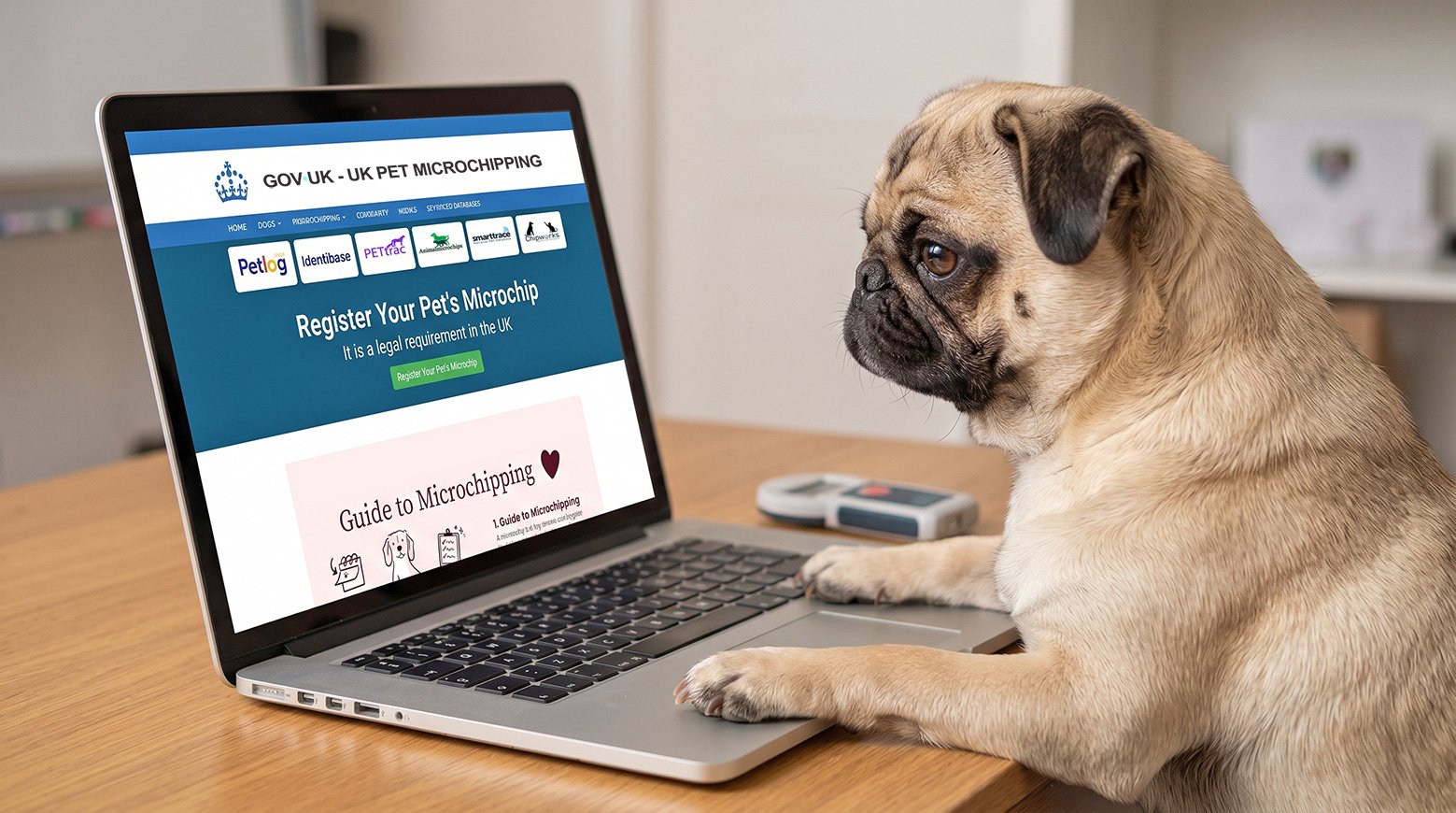
There are a great many registered microchip databases available and fortunately, if you’re still unsure, you can easily verify that a ‘service’ is legitimate before engaging with them. Some of the legitimate registries include Petlog, Identibase and Petrac, however, a full list of approved pet databases is available from the government and you can access the UK Government Microchipping Guide by clicking here.
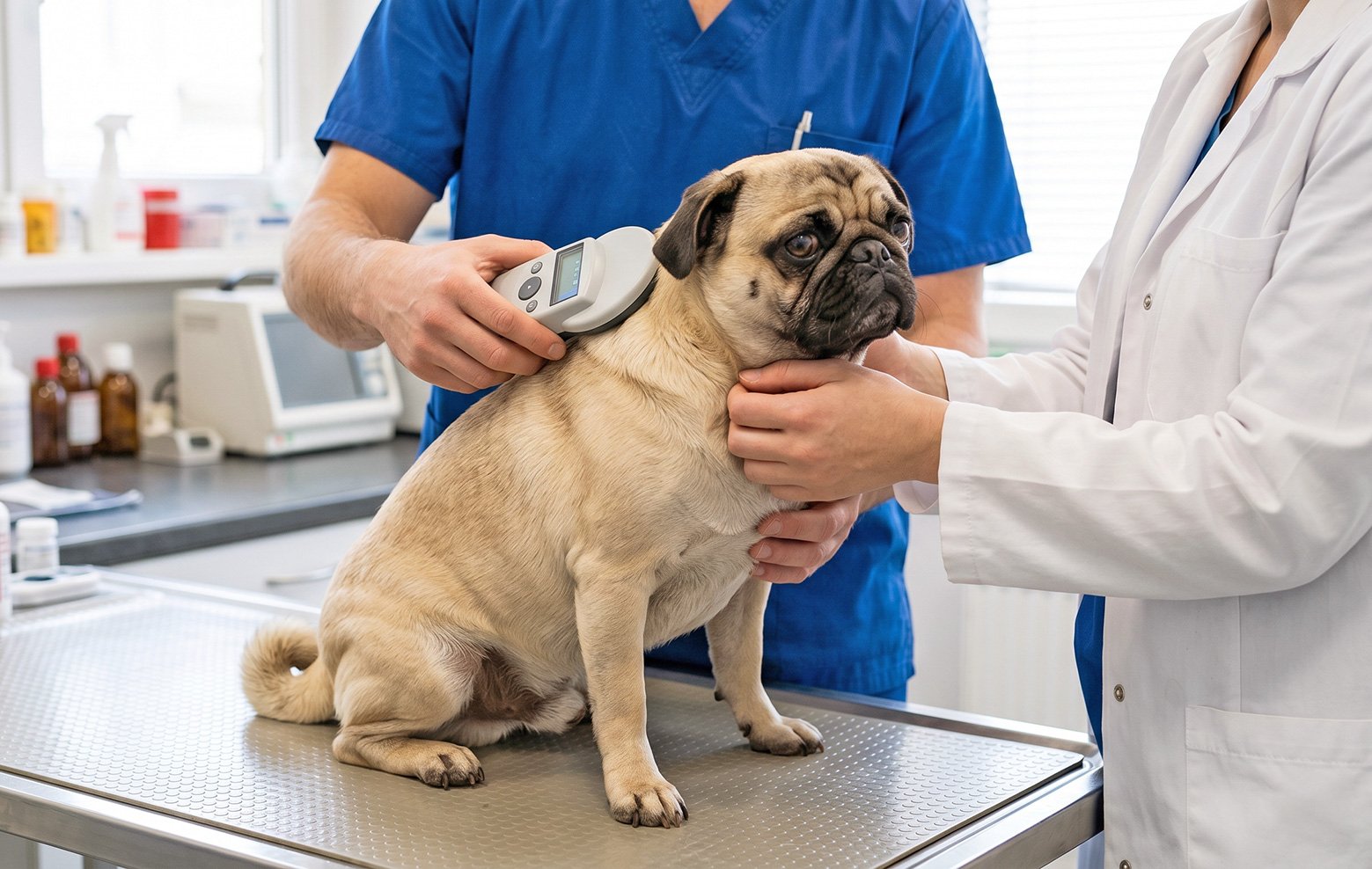
If you’re unsure which database your pet is registered with, you can ask your vet to scan their chip and tell you which company is linked to their number. According to Google, some of the scam sites or networks that are currently known include the following:
Petchip Network or Petchip Info: This entity is known for sending highly convincing, fake emails that look like official renewals. The UK Advertising Standards Authority (ASA) has already ruled against them for operating unapproved, misleading registration databases.
UK Pet Chip Registry: This entity has been flagged by the Chartered Trading Standards Institute (CTSI) for promoting non-approved services that charge owners to register their pets on unverified ‘national databases’.
Petsmicrochips.com: This has been identified by consumer groups and user reviews as a misleading site that takes money for meaningless or unregistered microchip database entries.
If you’d like more information on microchips and what you need to know about them, take a look at this recent article written by Anne McDonald, PDWRA Trustee and Local Authority Dog Warden – https://pdwra.1st-option.dev/what-you-need-to-know-about-microchipping/