The importance of keeping an eye on your Pug's health
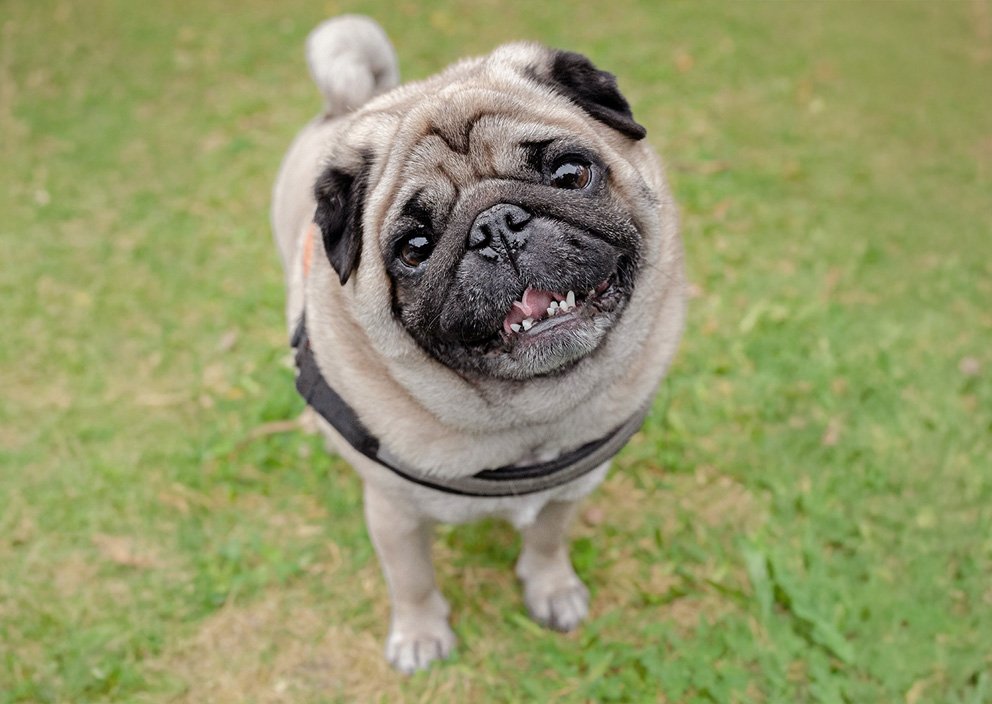
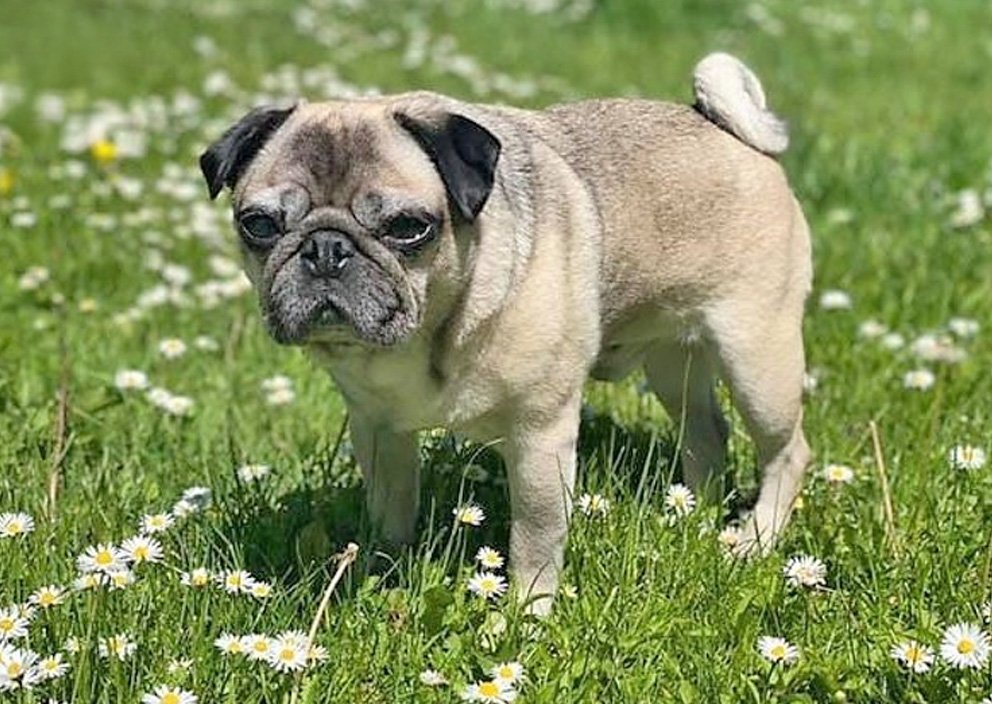
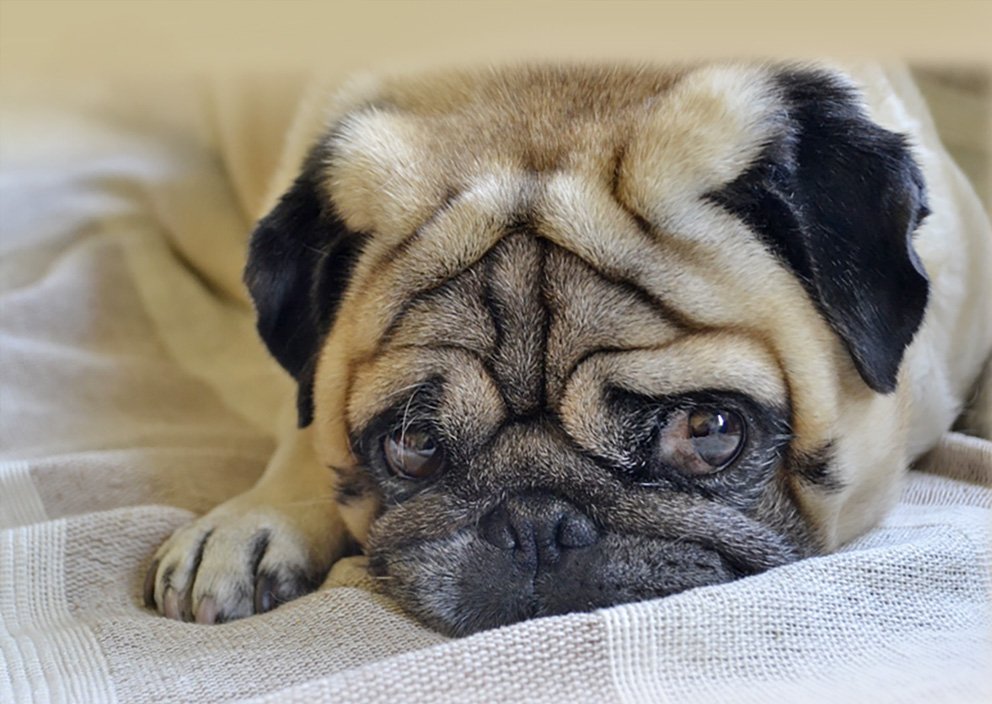
This, more than any other issue, is often the undoing of a pug owner. Like all pure bred dogs, pugs have health issues that may crop up, and they are often expensive to manage. Before becoming a pug guardian, it’s always an good idea to do as much research as you can on the breed, so that you will have a good idea of what to watch out for and how to effectively deal with it.
Rescues will generally have a good idea of the health issues that might come with a specific pug before looking for an adopter. When pugs are surrendered to PWR, we’ll always do a thorough health assessment, and where issues are identified we’ll do everything we can to address them while the pug is in our care. We only offer pugs for adoption once we are confident that they are in good health, or if they have conditions that can be easily managed by the adopter going forward. We’ll always provide adopters with a complete health appraisal and cover the costs of treatment for pre-existing conditions ongoing. It’s important to remember that although many pugs do come into our care with health issues, don’t assume that a rescued pug is going to be a health nightmare, many are simply being rehomed due to their owners’ circumstances.
Common Pug health issues
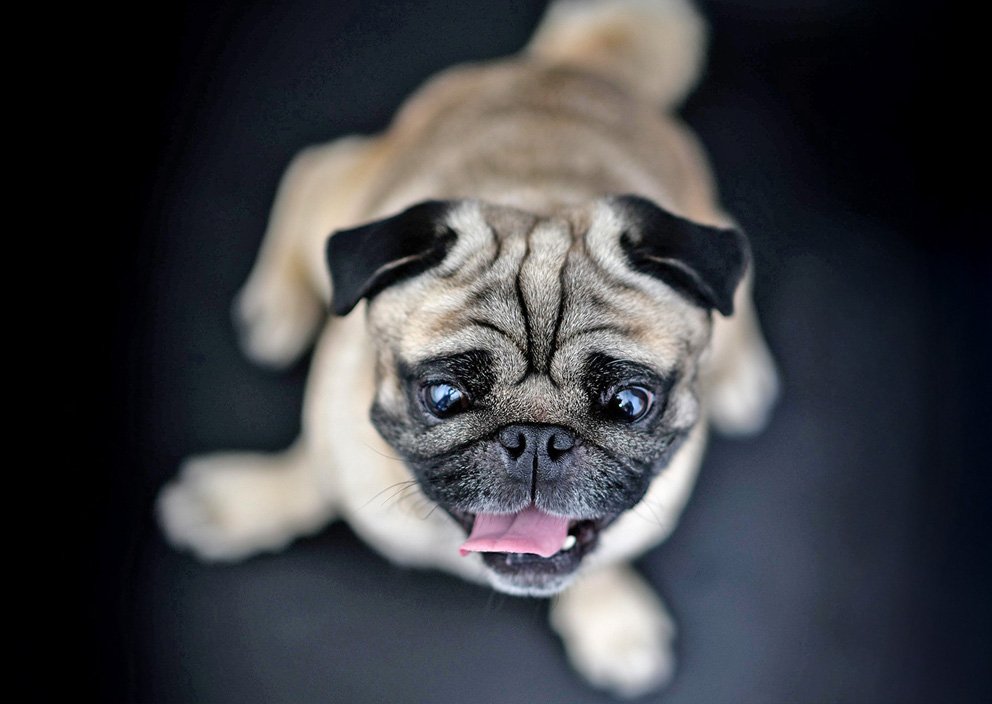
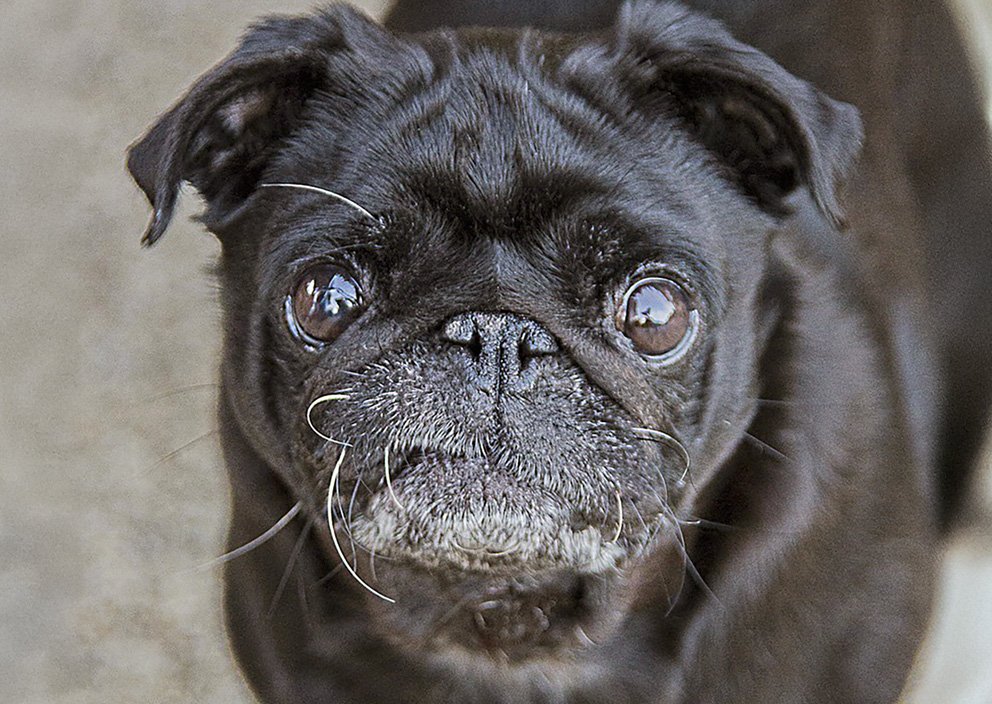
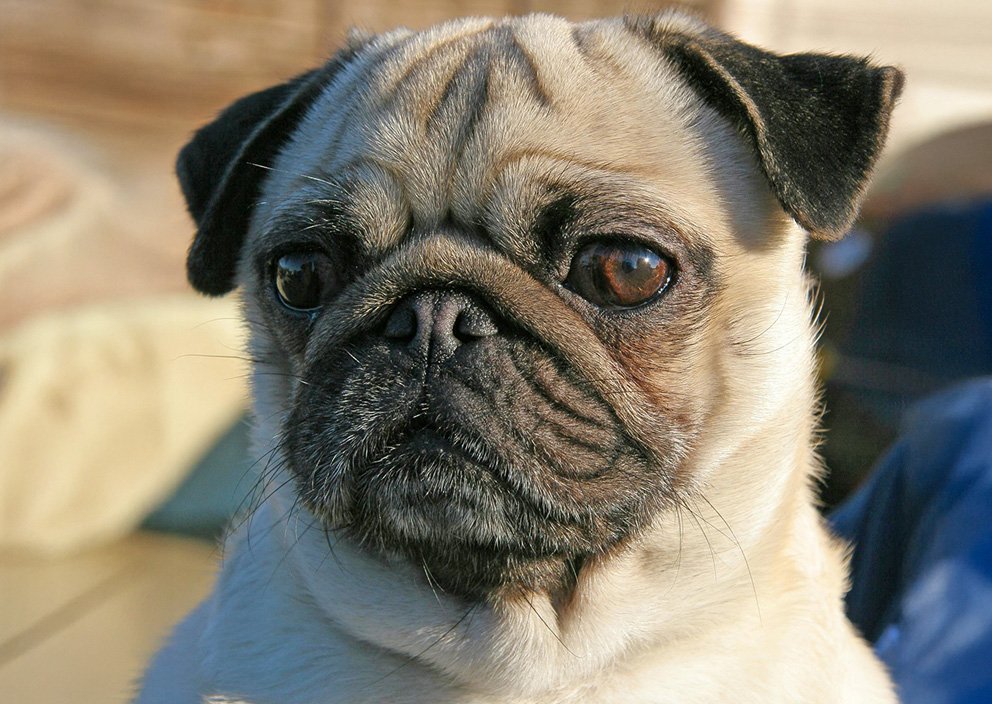
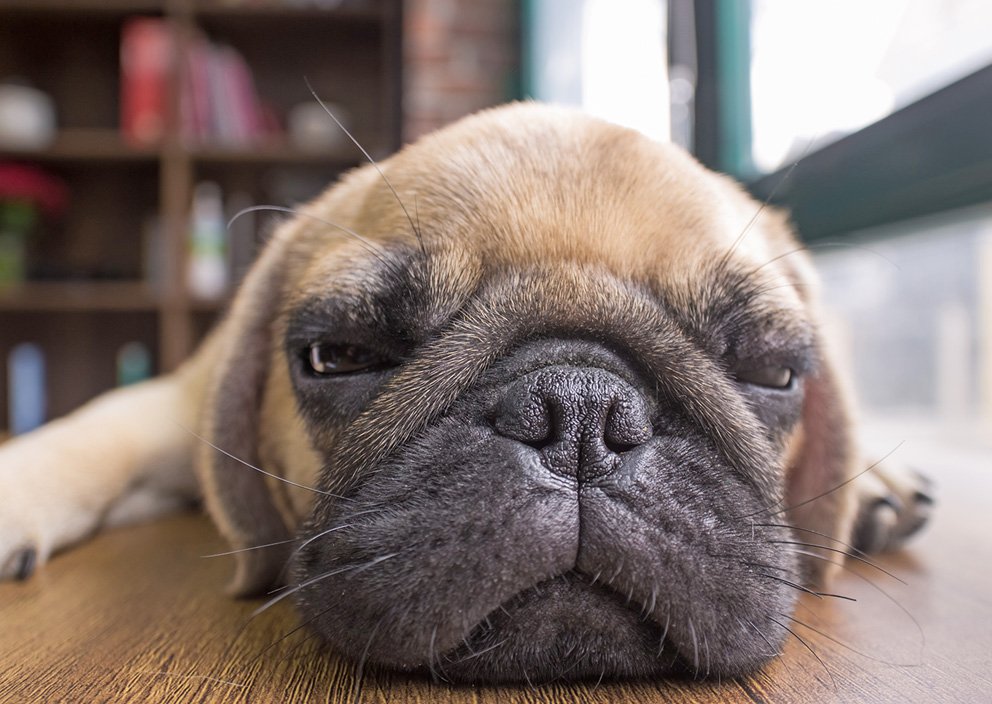
Pugs are prone to issues specific to brachycephalic (flat faced) breeds (breathing, eyes, folds of skin) and are prone to issues of the toy breeds generally (luxating patella, dental problems, trachea). And then there is Pug Dog Encephalitis (PDE) that is pug specific.
Pugs have a very high rate of allergies – food being a big one – grains in particular. Pugs need a high quality diet. Shop brought kibble may not cut it and you can avoid a host of future problems if you start off feeding your pug a good diet, whether raw or a premium kibble.
Atopy is where an allergic reaction to inhaled substances (allergens, such as pollen and household dust) is expressed in dogs as itchiness of the skin (atopic dermatitis). These dogs have a genetic predisposition to develop allergies and unfortunately, this is another condition common to pugs. It can also be due proteins in the diet (food allergy).
Useful Pug health resources
Brachycephalic Obstructive Airway Syndrome (BOAS) is a condition due to the anatomy of short-nosed breeds, which can lead to secondary problems. Veterinary Specialists Dick White Referrals have compiled a useful leaflet about BOAS in pugs, if you’d like to take a look, click here. You might also like to follow The Cambridge BOAS Research Group, consisting of clinical researchers, surgeons, nurses and geneticists, investigating respiratory disorders in brachycephalic dogs. Their research aims to improve the health of brachycephalic breeds.
The Pug Breed Council Health Sub-committee have a website dedicated to trusted pug health information. They aim to provide and share information to help all pug owners and breeders make educated decisions to ensure that their pugs lead a long, healthy and happy life. They promote health testing and ethical breeding and are totally committed to conserving the Pug Breed that we all know and love. Visit their website for more information about pug health and their 5 star health scheme: www.pughealth.org.uk
Helen & Malcolm McKee's Pug health features
From 2018 to August 2025, we were incredibly fortunate to have help from retired vets Helen and Malcom McKee. They acted as Vet Advisors to the Charity and did an enormous amount of brilliant work, for which we will always be grateful. To coincide with our bi-monthly newsletters, they also wrote a series of articles on various aspects of pug health and wellbeing. You can find these features in our ‘News’ section, we’ve also included them below for easy reference:
Brachycephalic Obstructive Airway Syndrome
When is the Right Time to Say Goodbye?
Pug Eye Conditions: Part 1
Pug Eye Conditions: Part 2
Portosystemic shunts in Pugs
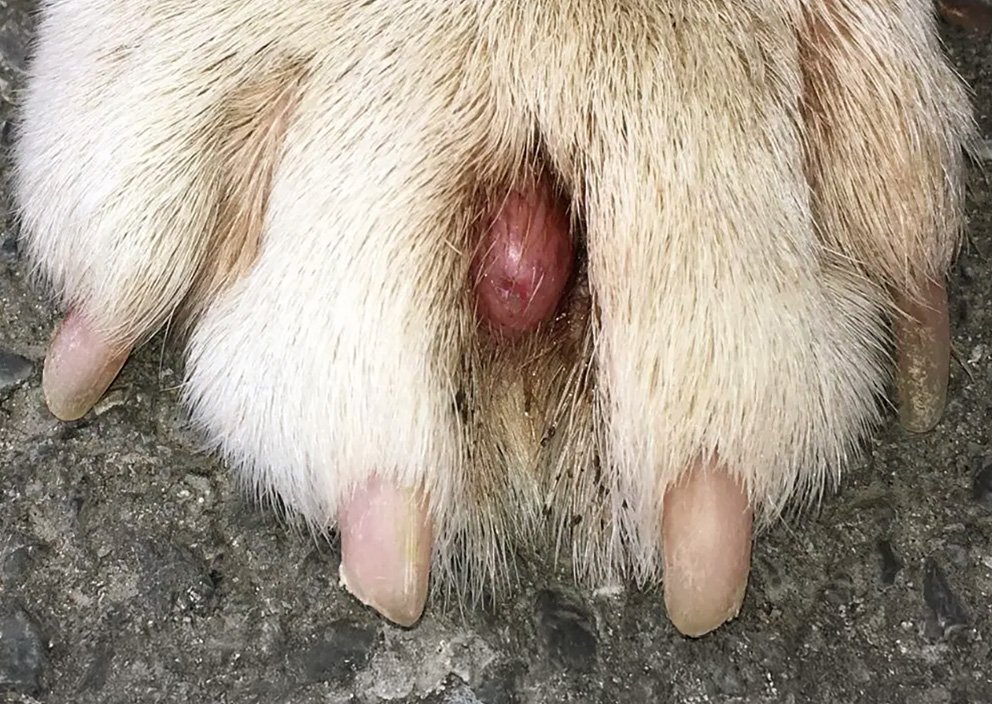
Interdigital Cysts in Pugs
Orthopaedic Conditions in Pugs
Atopic Dermatitis (Itchy skin!)
Canine Brucellosis in Pugs
Protein Losing Enteropathy (PLE)
Spinal Conditions in Pugs
Vet Helen’s Grumble Health Issues
Mast Cell Tumours in Pugs
Helen's Advice on Pet Insurance
Seizures in Pugs
Dental Disease in Pugs
Are you thinking of getting a Pug?
If you’d like to find out more about the Pug breed and all their unique quirks, just take a look at our ‘About Pugs’ page…